Alumni Reunion 2025
December 19-21, 2025
Day(s)
:
Hour(s)
:
Minute(s)
:
Second(s)
Accommodations are currently closed for this reunion event.
Schedule | 2025
19 December, Friday
Department Visits | 10 AM
Electrical Engineering (EE), Centre for Atmospheric And Oceanic Sciences (CAOS), Inorganic and Physical Chemistry (IPC), Department of Electronic Systems Engineering (DESE), Molecular Biophysics Unit (MBU), Electrical Communication Engineering (ECE), Aerospace Engineering (AE), Biochemistry (BC), Computer Science and Automation (CSA)
*let us know if you want to any specific events to be published/broadcasted here
Registrations
12.30 PM onwards | JN Tata Auditorium
Lunch
1.00 – 2.00 PM | JN Tata Auditorium
Technical Talks: Translational Frontiers in Healthcare: AI and Next‑Generation Diagnostics
2.00 – 3.30 PM | JN Tata Auditorium
Solid-state nanopore based molecular diagnostics | Prof Manoj Varma: Early cancer detection demands sensors that are both highly sensitive and specific, yet no single method can detect DNA, RNA, and proteins using one device and workflow. Our lab develops a universal solid-state nanopore sensor—spanning chip fabrication, molecular assays, and AI-driven analysis—to enable next-generation single-molecule diagnostics.
From Telecom to Testing: Bringing In-vitro Diagnostics Up to Speed | Prof Sai Siva Gorthi: Telecommunications and banking became integrated, accessible platforms within four decades, yet healthcare diagnostics lags by two to three decades, constrained by centralized labs and fragmented point‑of‑care devices. The Lab‑to‑Point‑of‑Need Technology (LPoNT) paradigm addresses this gap by solving the A3 Puzzle of Accuracy, Accessibility, and Affordability. As a translational example, I will present High‑performance Optical Spectroscopy (HPOS), now rapidly impacting tribal populations through screening for hemoglobinopathies such as sickle cell anemia.
Towards Responsible, Population-Scale Healthcare AI: The TANUH Initiative at IISc | Prof Sriram Ganapathy: Non-communicable diseases cause over 70% of deaths in India, yet early detection and continuous care remain limited by workforce and resource gaps. With AI now achieving near-human performance in key tasks, IISc has established the AI Centre of Excellence—TANUH—to develop AI-enabled Software-as-a-Medical-Device for multiple NCDs. The Centre spans ethical data collection, responsible modeling, and deployment through Digital Public Infrastructure, in collaboration with leading medical and technology partners. This talk will share progress and a scalable blueprint for trustworthy, population-level healthcare AI.
Tea/coffee break
3.30 – 4.00 PM | JN Tata Auditorium
Panel Discussion: India in the Second Space Age
4.00 – 5.30 PM | JN Tata Auditorium
Prof Duvvuri Subrahmanyam is an Associate Professor of Aerospace Engineering at IISc, where he leads the Turbulent Shear Flow Physics and Engineering Laboratory. He has deep interests in technologies relevant to high-speed flight in air, and flight into (and re-entry from) space. He obtained a BTech degree in Aerospace Engineering from IIT Madras, and MS and PhD degrees in Space Engineering and Aeronautics, respectively, from Caltech. He worked as a Research Associate at Princeton University prior to IISc.
Dr Prasad Bhat is the chairman and CTO at Astrome Technologies, did his Masters in System Science and Automation Engineering and PhD in Computer Science and Automation Engineering at IISc. Prasad has been an architect for various technologies including a nanosatellite, a visual search engine at Streamoid, a stochastic game theory solver, the software tool for the latest 3D measurement Texas Instruments chipset. Under him Astrome has grown to great heights and is working on ground breaking terrestrial and satellite communication products and solutions.
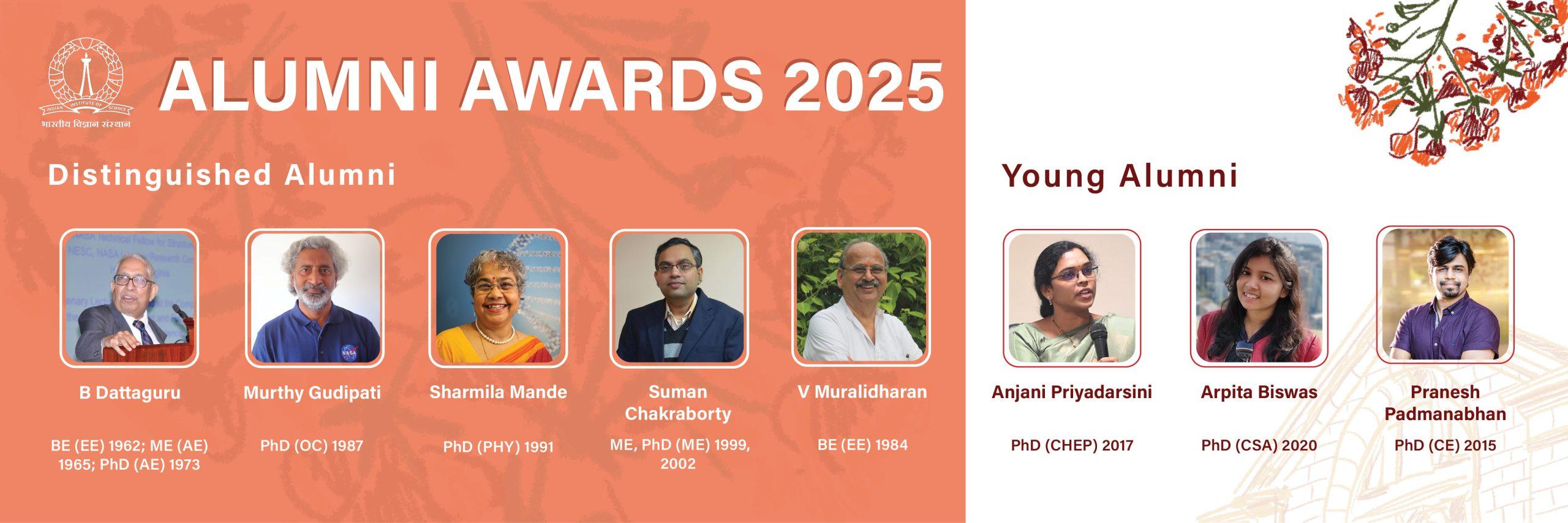
Prof Murthy Gudipati has been honoured with the Distinguished Alumnus Award 2025. He is a Senior Research Scientist at NASA’s Jet Propulsion Laboratory (JPL), California Institute of Technology, and one of the world’s foremost experts in laboratory astrophysics. Over a career spanning four decades across India, Germany, and the USA, Dr. Gudipati has focused on understanding the origins of life on Earth and its possible existence elsewhere in the universe.
Moderator: Prof Aloke Kumar received his Bachelors and Masters degrees from IIT, Kharagpur, India in 2005 and his Ph.D in Mechanical Engineering from Purdue University in 2010. Dr. Kumar joined University of Alberta’s Mechanical Engineering Department in 2013, where he was the Canada Research Chair in Microfluidics for Biological Systems. He moved to IISc in 2017, where he has re-established his lab with a focus on space technologies such as in-space manufacturing and extra-terrestrial habitats.
High Tea
5.30 PM | JN Tata Auditorium
20 December, Saturday
Technical Talks: AI in Science & Engineering
10.00 – 11.30 AM | JN Tata Auditorium
AI for Molecules: Prospects and Challenges | Prof Raghavan B Sunoj: As with any other facet of life and living, influence of artificial intelligence and machine learning has permeated into the molecular world. Drug discovery programs of major pharmaceutical companies have embraced such technologies quite sometime ago. The talk intends to portray a guarded optimism as to what AI can assist us with while cautiously reiterating the importance of domain experts in AI-driven discovery.
Impact of AI/ML in materials engineering: challenges and prospects from an experimental researcher | Prof Ravi Sankar Kottada: Artificial intelligence and machine learning (AI/ML) algorithms aim to transform materials engineering by attempting to accelerate alloy design, property prediction, and materials processing optimisation beyond the capabilities of traditional experimental workflows. Data-driven models can integrate multiscale simulations with high-throughput experiments to identify novel materials and optimize complex relationships between processing, microstructure, and property. However, significant challenges persist, including valid data scarcity, lack of standardization, limited model interpretability, correlating extrapolated predictions with the underlying physical mechanisms and experimental validation.
AI in Education | Dr. N. D. Gangadhar
Current Industry Trends in AI ML, Data Science | Dr Sri Vallabha Deevi: AI/ML adoption by businesses is growing at a rapid pace given the impact it has demonstrated for pioneers. AI/ML brings efficiency and predictability to various functions of business like Operations, Marketing, Sales etc. Companies are exploring and deploying a range of AI/ML solutions to improve their internal processes like estimations, planning and waste reduction. This talk will discuss the practical applications of various ML algorithms, and different kinds of solutions being deployed, from Linear Regression to Agentic AI.
Moderator: Bharath Bhikkaji (Dept of Elec Engg, IITM)
Tea Break
11.30 AM | JN Tata Auditorium
Talk by 2025 Young Alum Medalist: Dr Anjani Priyadarsini
12.00 – 12.45 PM | JN Tata Auditorium
Accelerating R&D with Quantum Computing: A Sector-by-Sector Analysis.
Lunch
1.00 PM | JN Tata Auditorium
Distinguished Alum Award and Young Alum Medal Ceremony and other IISc Talks
2.00 – 4.00 PM | JN Tata Auditorium
High Tea
4.00 PM | JN Tata Auditorium
21 December, Sunday
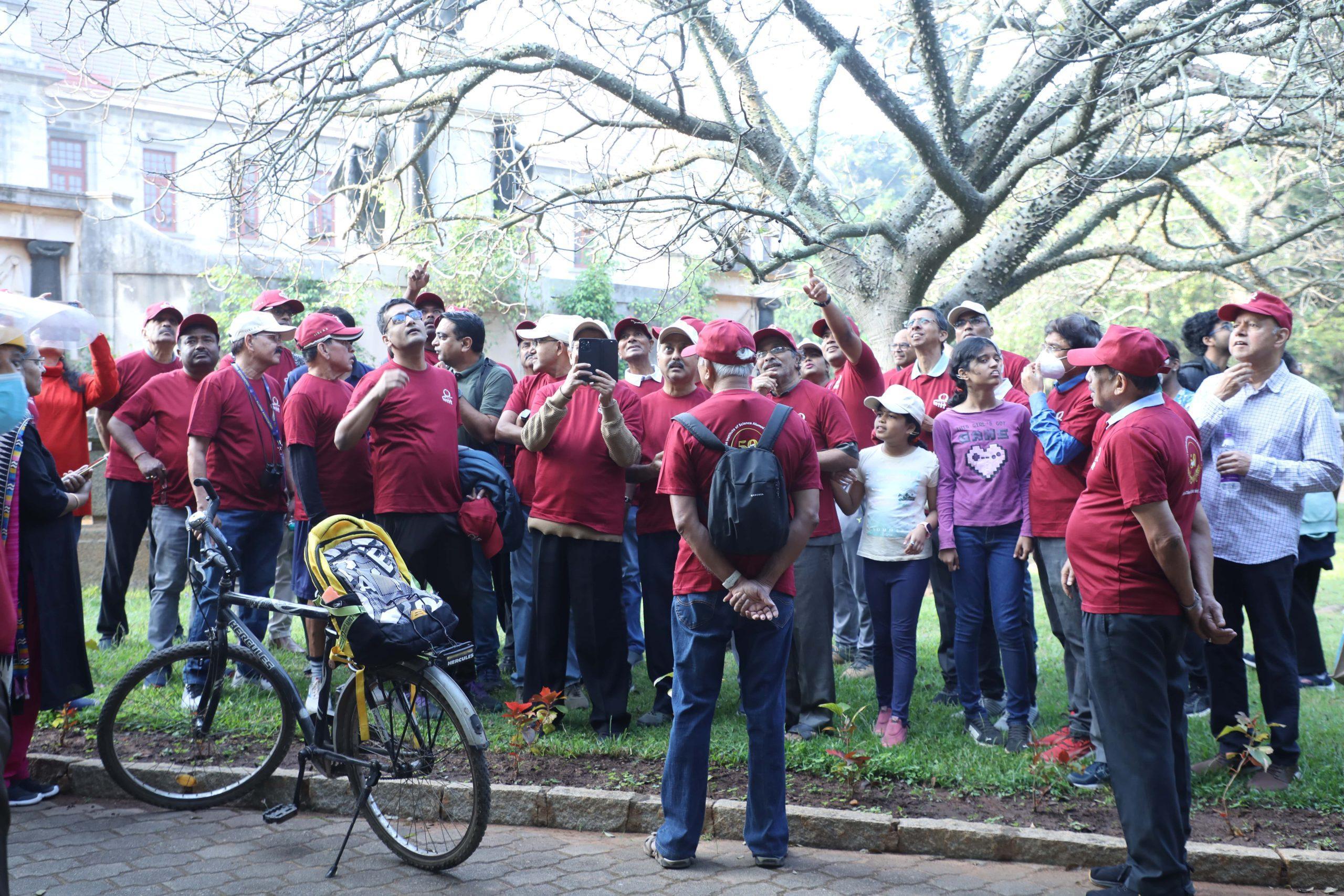
IISc Campus Walk
6.30 AM | Assemble at Main Building, IISc
Breakfast
8.30 AM | A Mess, IISc
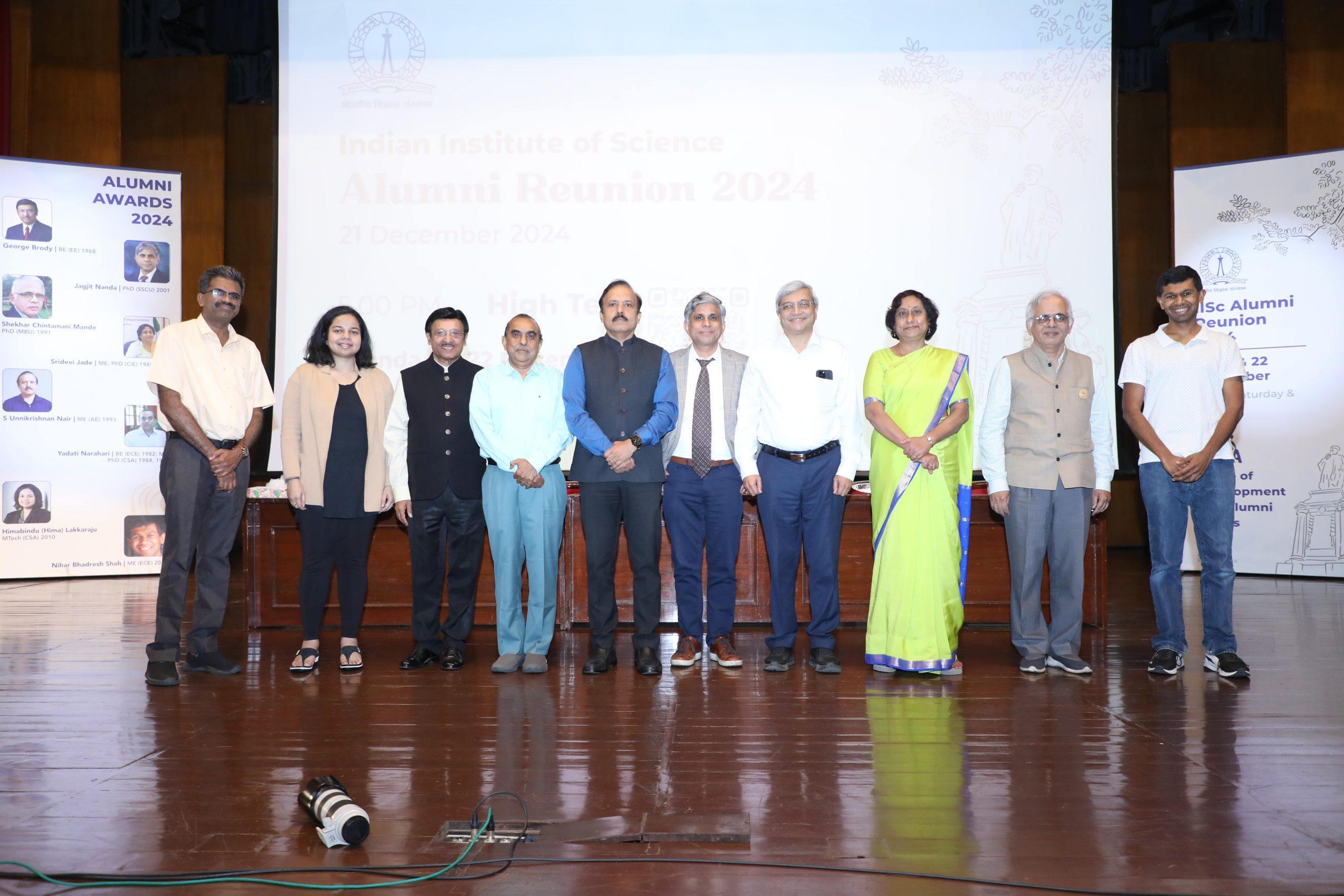
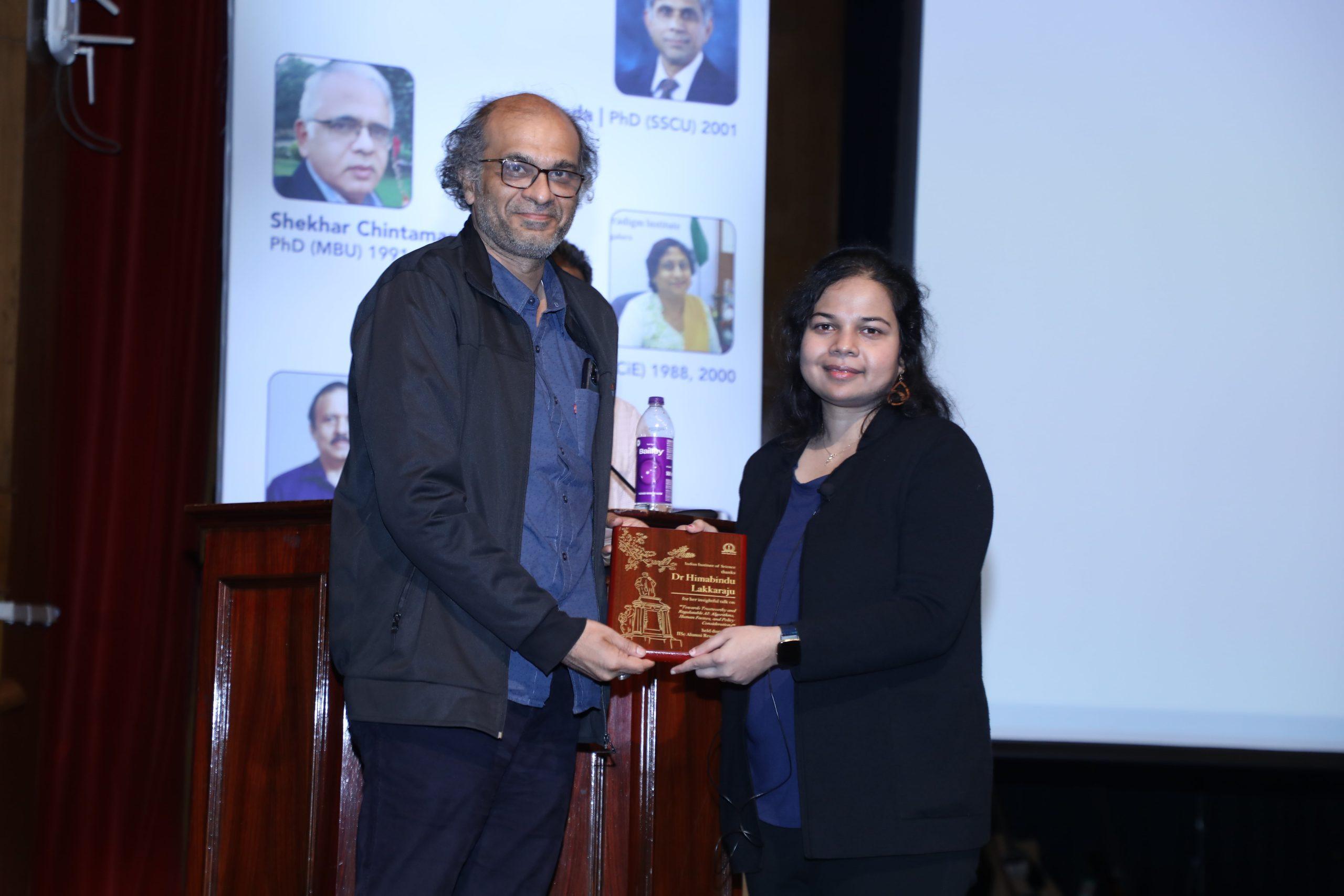
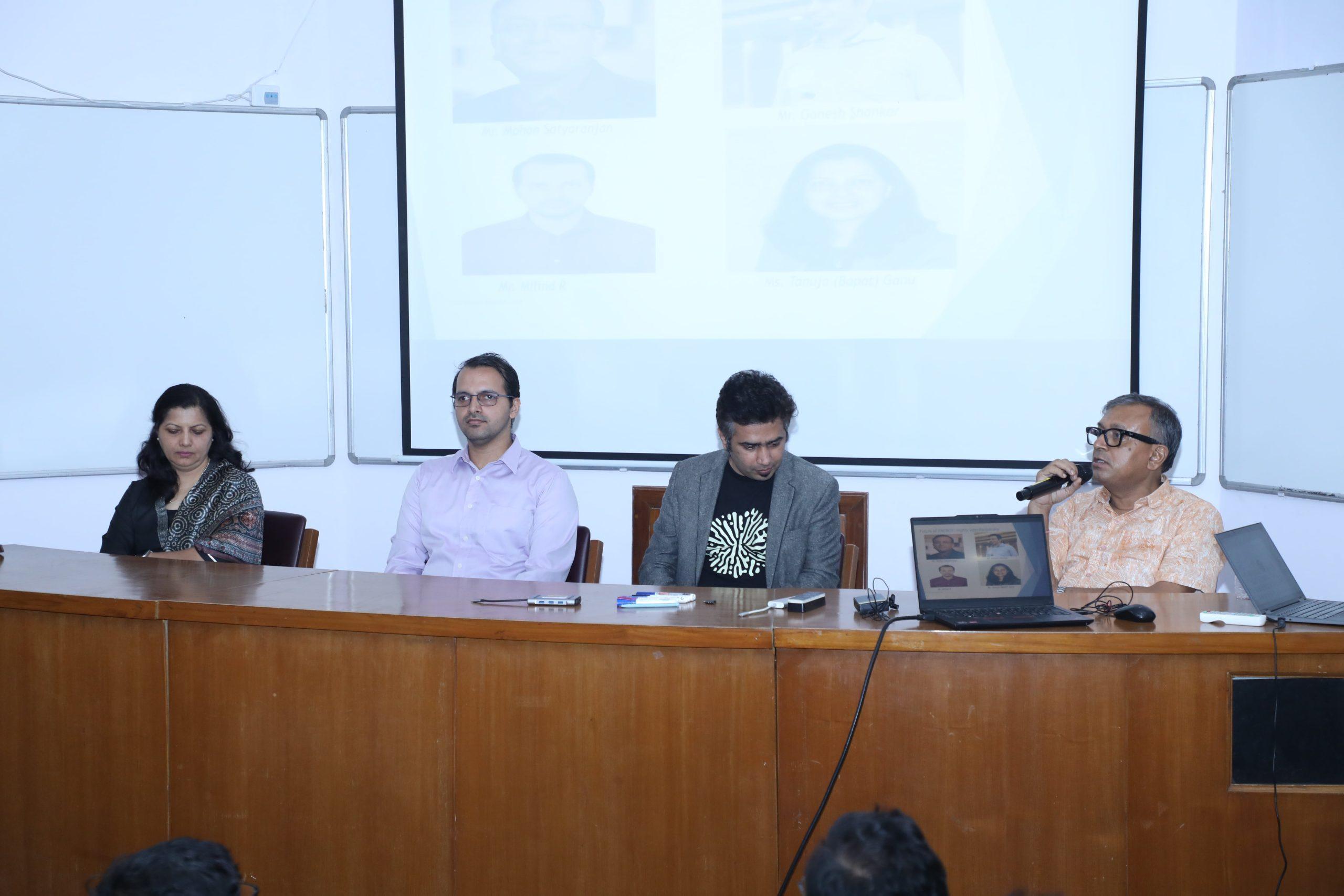
Thank you for being a part of the IISc alumni reunion 2024!
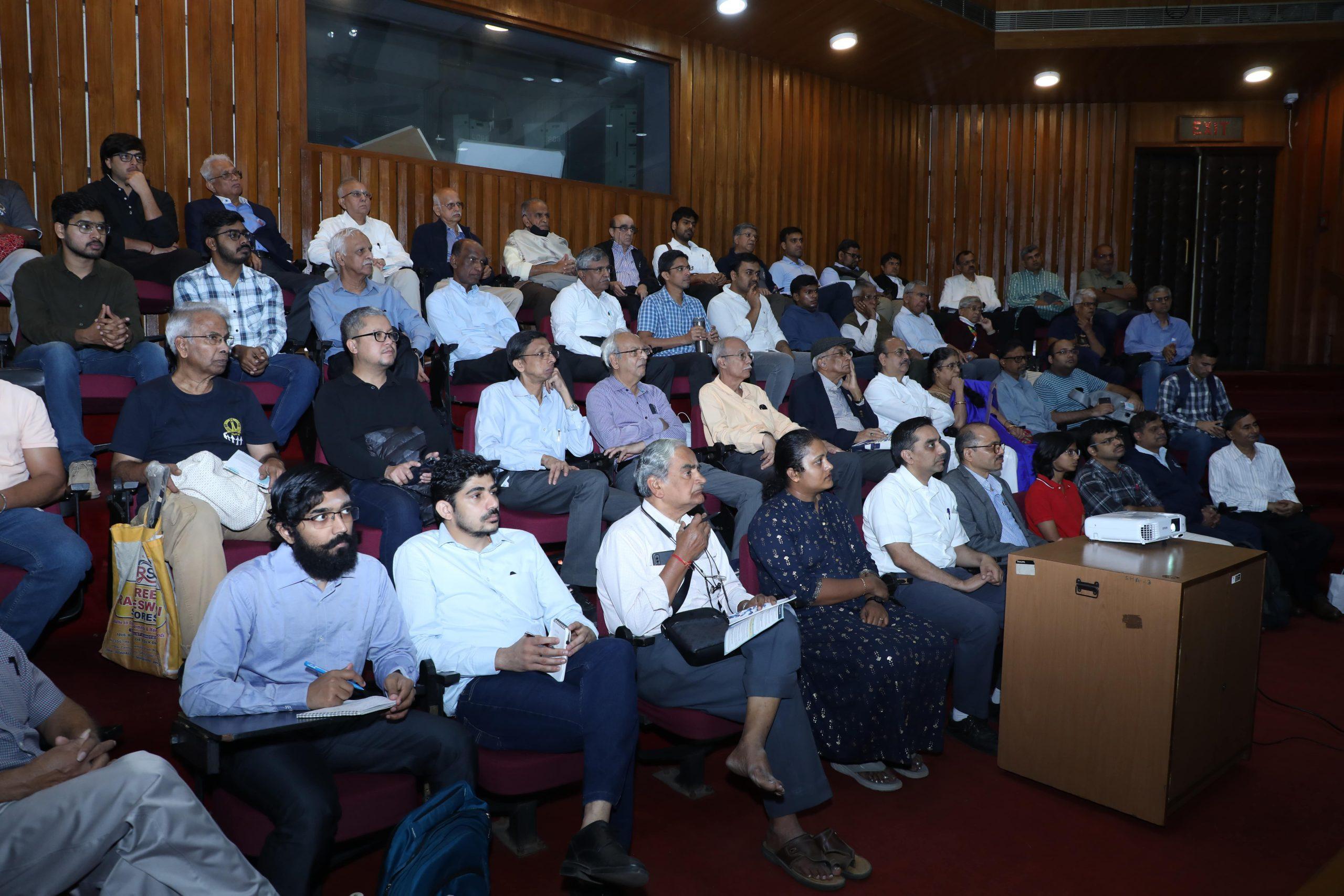
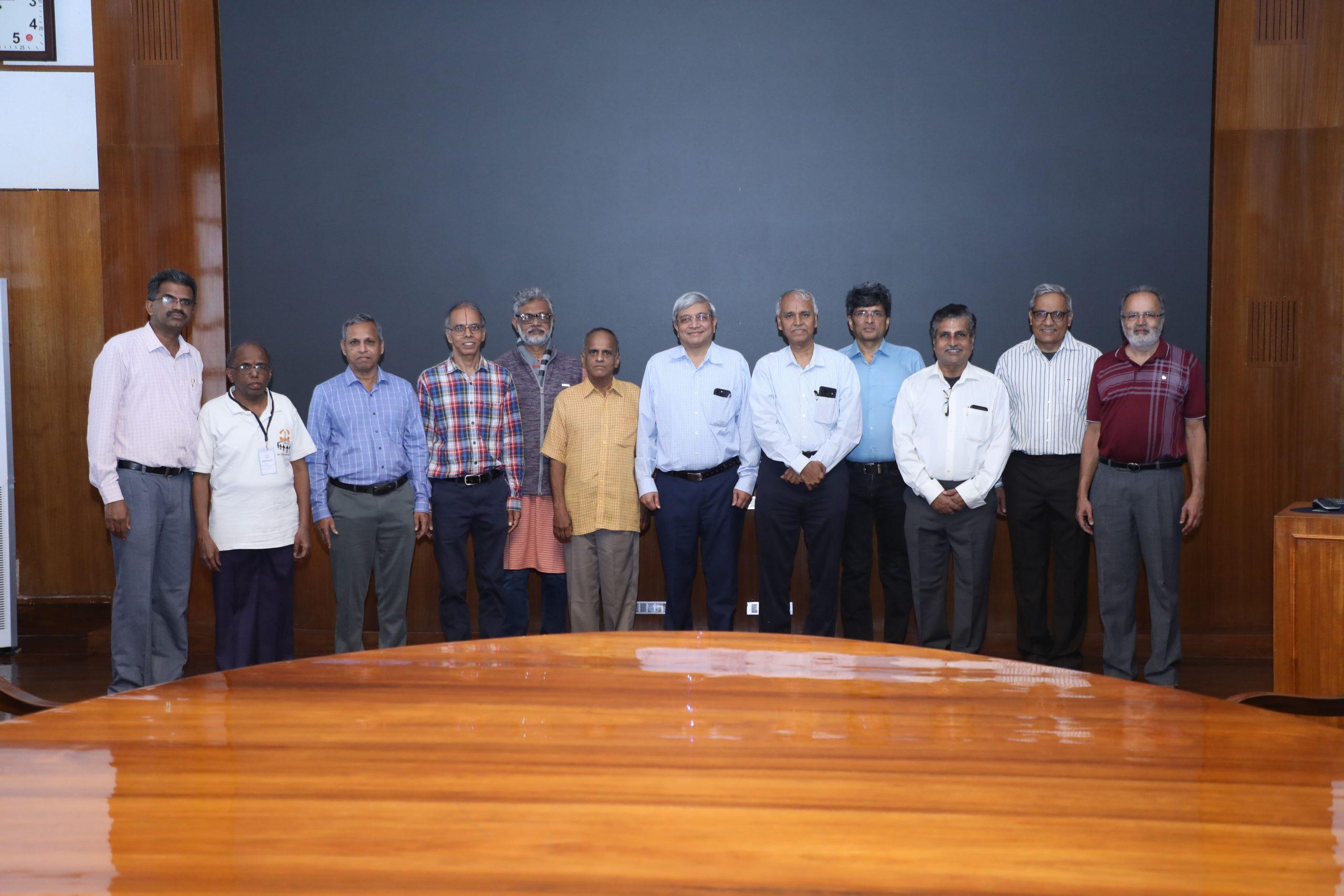
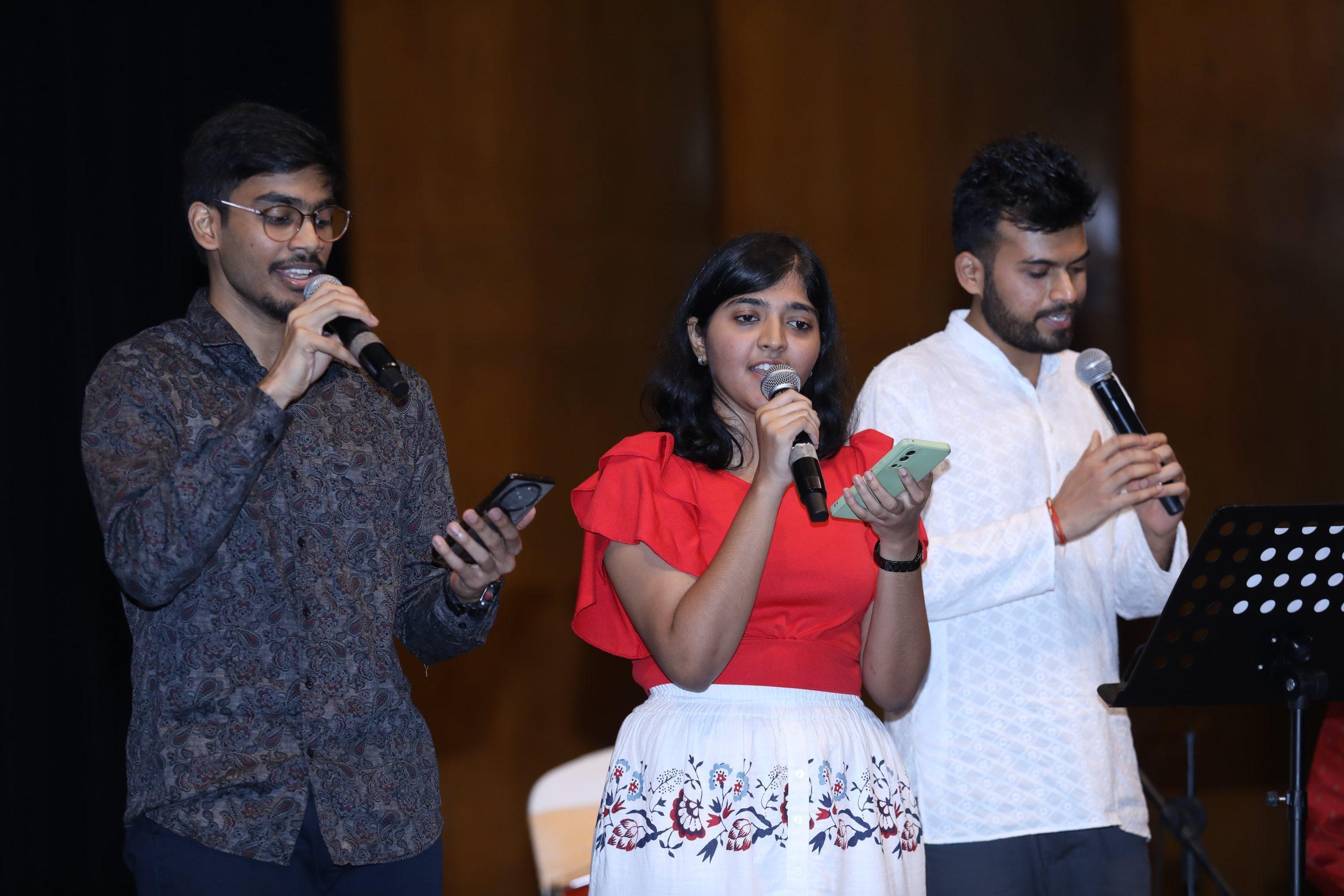
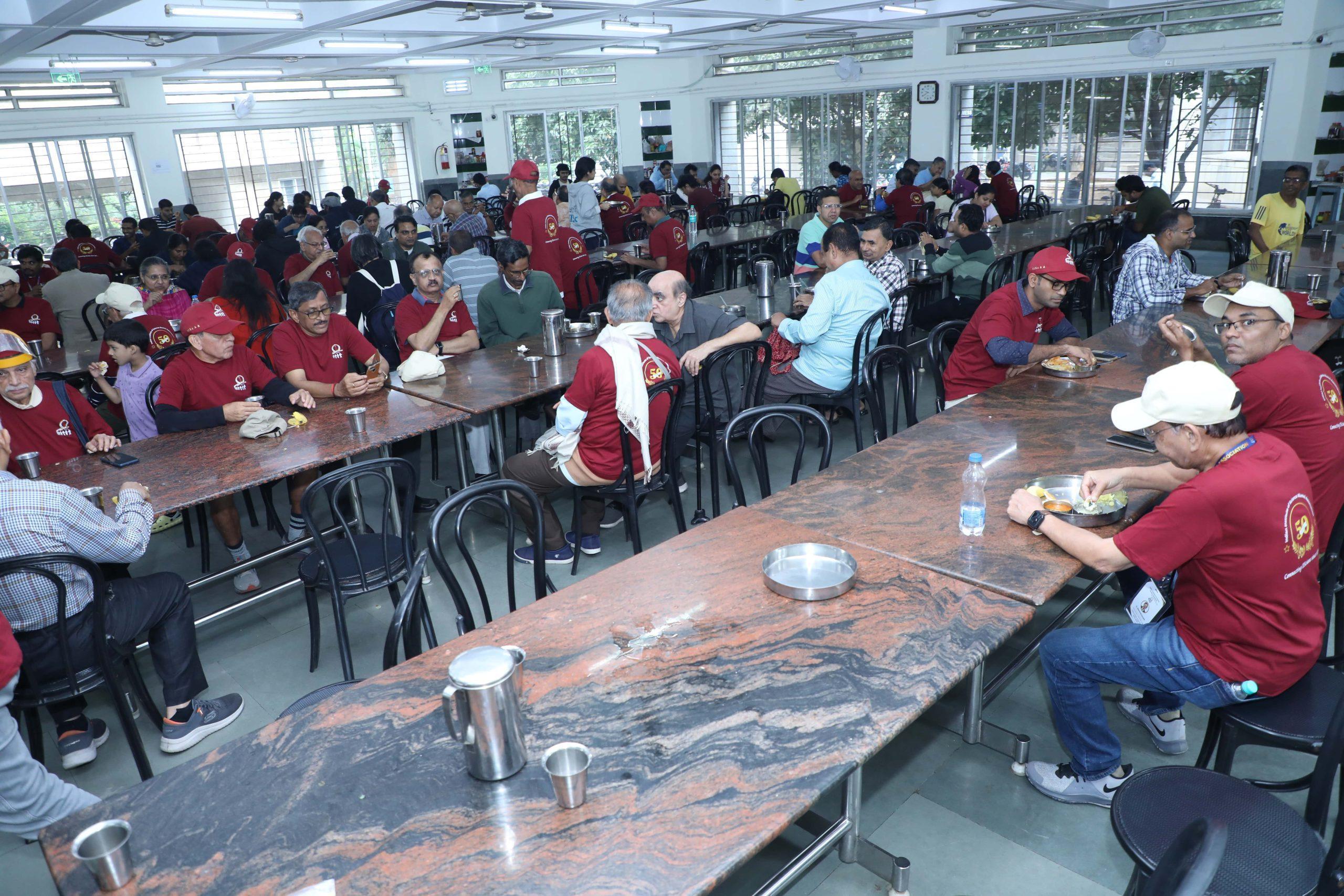
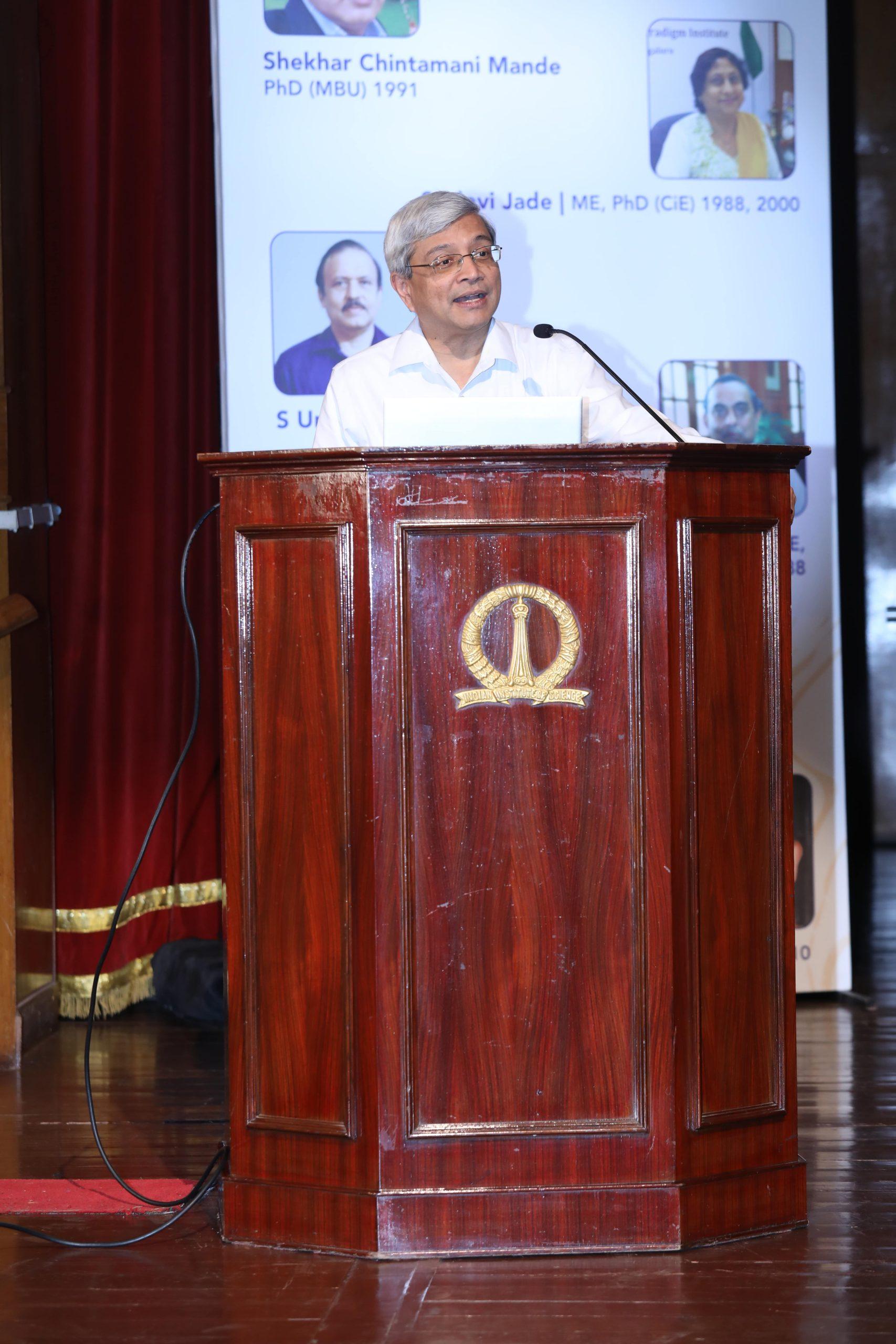
We had an incredible and vibrant three-day event filled with department visits, insightful technical talks, engaging panel discussions, batch reunions, and much more. It was a celebration of learning, connections, and collaboration. Below are some highlights from the event—find more pictures here!